
Legislative Update from Senator Keith Goehner

information released

Dear Friends and Neighbors,

I’ve waited to share my thoughts with you until the general election was behind us, to avoid having this message get lost among all the campaign-related messages you may have received over the past several months.

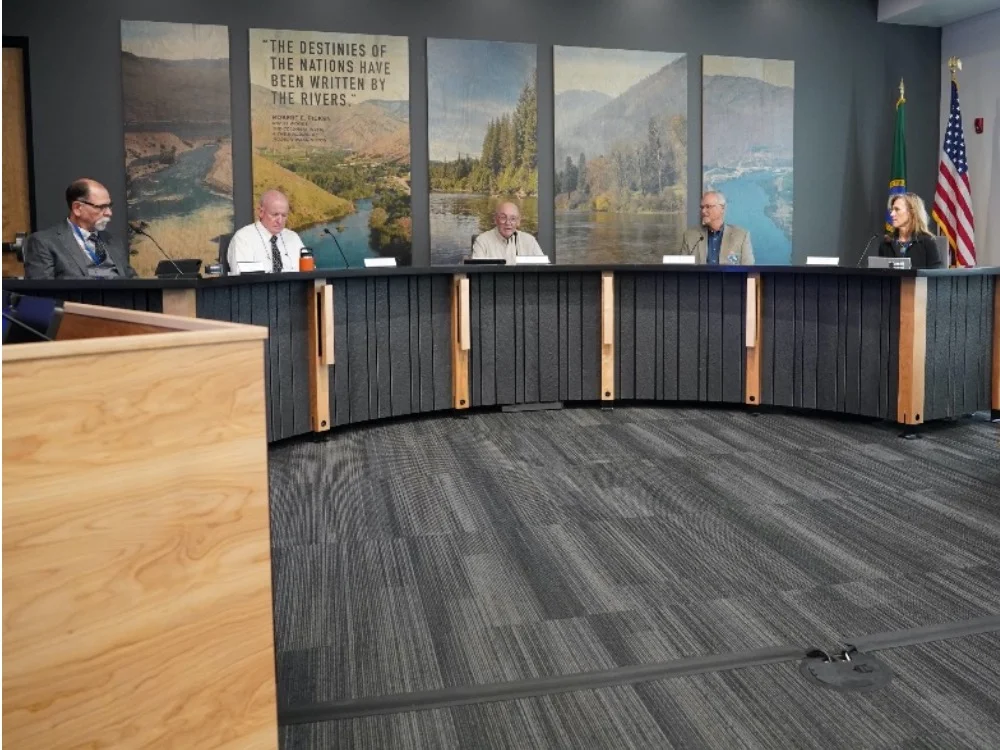
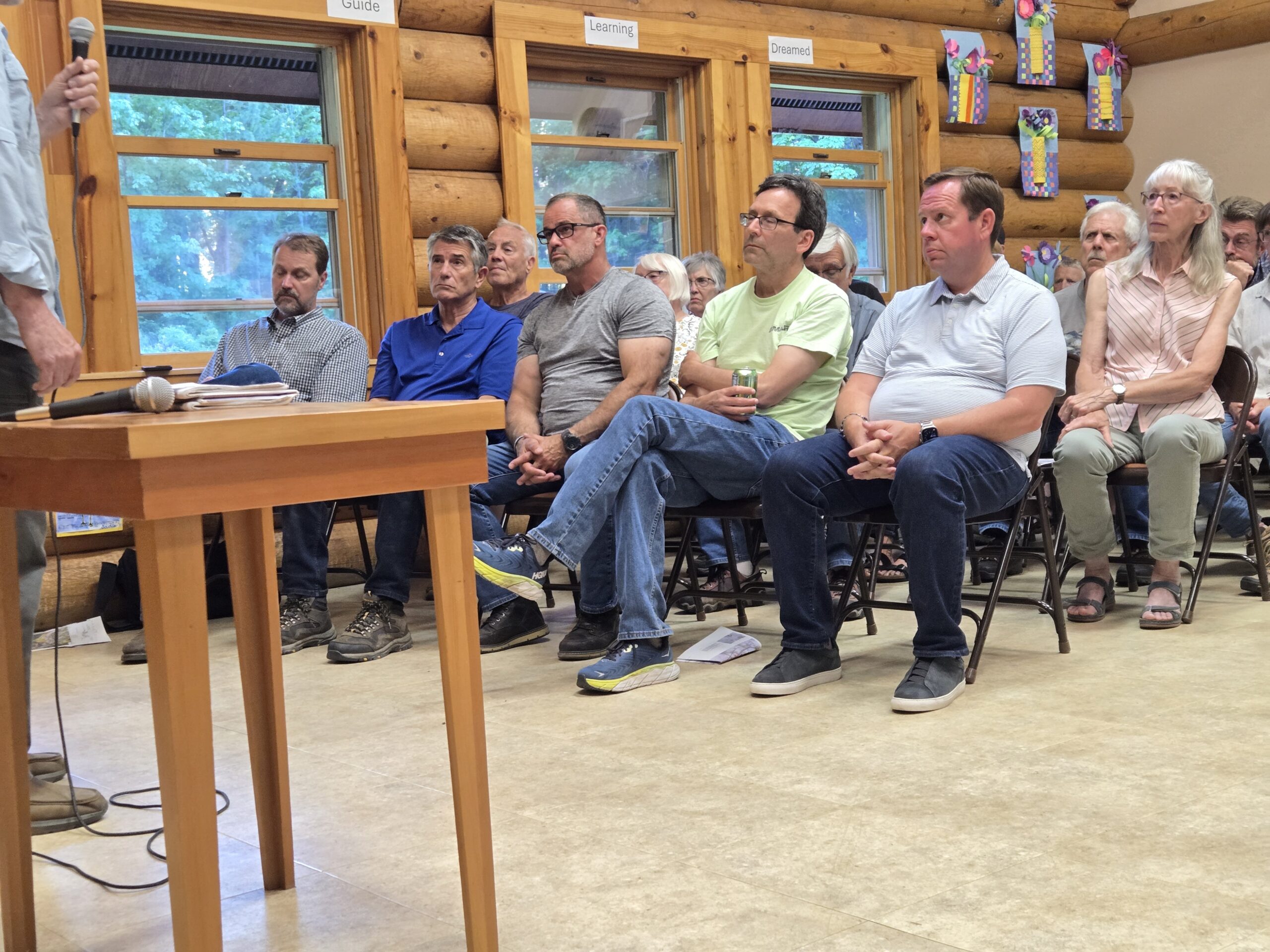
I hope your summer was safe and enjoyable. Mine was busy but productive. Between working in the orchard and family commitments there was a lot of traveling around our part of the state: the communities I visited as 12th District senator included Cashmere, Monroe, Carnation, Sultan, Leavenworth, North Bend, Malaga, Stehekin, Peshastin, Chelan and Wenatchee. It was time well spent, as these meetings and other activities are essential to being informed about issues facing the people I am honored to serve.

1000038038

A few of them made headlines:

In between these I also took part in plenty of meetings, both in person and virtual, that are of interest to our district but are more statewide in scope. These include the Housing and Transportation committees in the Senate, the bipartisan Joint Legislative Accountability and Review Committee, the Joint Transportation Committee, and the Department of Housing Task Force (which was created in December 2025 and just delivered its report to Governor Ferguson and the Legislature).

Coming soon: Tell me what you think!

The Legislature’s “regular” session is constitutionally required to start on the second Monday of January. In 2027, that’s Jan. 11.

I want to know your views on several issues that are important to our district, our state, or both. Keep reading for details about the topics that concern me most, and please watch for a postcard in your mailbox with a handful of survey questions that can be conveniently answered online. It will also have tips for how you can track and participate in the lawmaking process.

Issues for 2027: Affordability, along with housing and education

Affordability will again be a top priority for me when I travel to the Capitol in January. While I realize the cost of living became a topic of national debate in recent months, it’s important to know that most of the decisions that truly inflate the cost of food, shelter and energy aren’t made in Washington, D.C.

State government has a larger influence on affordability through taxes and regulations. Because one political party has controlled Olympia for most of the past 20-plus years, the situation here in Washington has gotten progressively worse.

Start with taxes. When spending gets out of control, as has happened over the past decade (the budget now is around double what it was in 2017), some lawmakers automatically think the answer is more taxes — which, one way or another, always end up falling on the consumer, whether it’s a family or an employer.

The path to affordability requires that lawmakers look instead at every dollar spent, searching not only for savings and efficiencies but asking whether that money is producing the appropriate outcome. Taxes should be the last resort, not the first choice.

Now for regulations — and energy is a prime example. The cost of filling your fuel tank here is much higher than almost anywhere in the nation because of actions taken at the state level over the past five years — and the people behind them have shown no interest in seeing whether their decisions are doing more damage than good. I raised that issue several weeks ago in a guest column published by The Wenatchee World: Olympia can fix a tax mistake. Why not the policies that drive up fuel prices? It included this:

“I appreciate that Governor Ferguson agrees there is an affordability crisis, but lowering the cost of living will mean Democrats joining us for an honest look at how government regulations reach into people’s pockets and harm our state’s economic climate.”

Then there’s the energy that heats (and sometimes cools) our homes and powers businesses across our state. Writing in The Seattle Times, my colleague Sen. Matt Boehnke from Kennewick worries that the pursuit of “clean” energy “will continue to inflate electricity rates, putting greater financial pressure on individuals and families while threatening Washington’s economic competitiveness.”

It isn’t just the Climate Commitment Act, which affects our gas and diesel prices, or the “Clean Energy Transformation Act” that is driving up power rates. I also can go back 35 years to the Growth Management Act, which has much to do with the lack of affordable housing.

Speaking of housing: As the lead Republican on the Senate Housing Committee, I’ve been working these past several months to prepare proposals aimed at addressing the cost and supply of housing, especially in rural Washington. Some of the ideas will be familiar, but I know from experience how it can take years to build the bipartisan support needed to get even familiar policy proposals through even one chamber of the Legislature.

I also expect K-12 education to be more of an issue in 2027. While there may be more discussion about parental rights, look for the funding of our public schools to grab the spotlight. That’s because three big school districts, including Yakima, recently signaled they may file suit claiming the state hasn’t upheld its constitutional obligation to fund basic education.

If so, this would likely be similar to the “McCleary” case that was filed in 2007 and became the subject of a landmark state Supreme Court ruling in 2012. It took lawmakers five years to come up with a plan that not only satisfied the high court’s funding requirements but also reformed the K-12 financial system. The goal was to ensure students would have equitable educational opportunities regardless of their ZIP code.

Unfortunately, the most important of those bipartisan reforms, concerning a cap on school levies, was still being implemented when a partisan vote undermined it.

Like many of you, I remember how the state lottery was promoted (in the early 1980s!) as a solution to K-12 funding. The first section of the 2012 law legalizing the recreational use of cannabis in Washington refers to generating tax revenue “for education.” The state’s first income tax, on capital-gains income, was advertised by its supporters in 2021 as providing money for schools — and the same is true of the larger income tax adopted in Olympia earlier this year.

The concerns now being raised about school funding lead me to these questions: providing for K-12 is state government’s number-one responsibility (the “paramount duty,” in Washington’s constitution), so if state spending has doubled in the past 10 years haven’t our schools benefited from that? What’s happening at the districts that claim they are short of money?

Just this week I learned that school enrollments statewide are expected to continue declining. If there are fewer students in K-12 classrooms, why should it cost more to educate them? The reality is that for the better part of 10 years, the majority side in Olympia has chosen to put a smaller share of the budget toward K-12 even as the overall state spending level has soared. Yet it seems like every time a new tax is proposed, it’s advertised as being for the schools.

There will be other issues to address in 2027, but you can count on affordability, housing and K-12 to be at the top of the list. I welcome your feedback on any of them, whether it’s through the upcoming online survey or by email, a letter or a phone call.

Apply to be a Senate page during the 2027 session!

One of my favorite things is sponsoring the young people who come to the Capitol to work in the Senate Page Program. Applications for the week-long slots are now being accepted; click here for the details.

Pages perform important tasks like transporting documents between offices, as well as delivering messages and mail. They spend time in the Senate chamber and attend “page school” to learn about parliamentary procedure and the legislative process. Students also draft their own bills and engage in a mock session.

I can’t think of a better way for a student to learn about government. It really is a civics class like no other — and on top of that, they earn some pay and get to make new friends from around the state. If you know of a teen who meets the age requirements and is interested, please direct them to the page-program website or to my office!


Washington State Legislature | Official Legislative Email Bulletin

You are receiving this update because you subscribed to email communications from this legislative office. To manage your topic subscriptions or update your subscriber profile, visit GovDelivery.